

Pinealon — Pineal Neuropeptide | Neuroprotection & Circadian Research
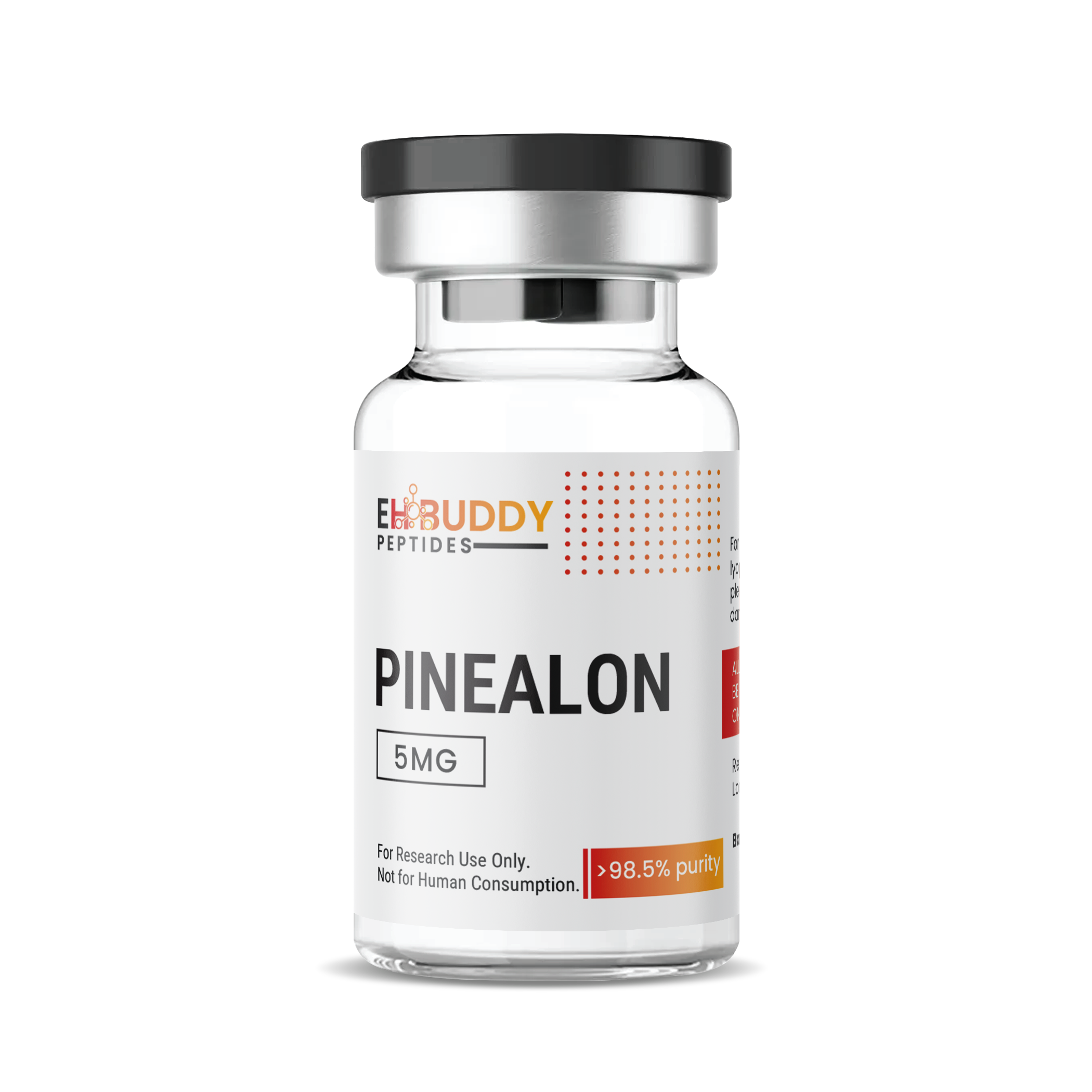
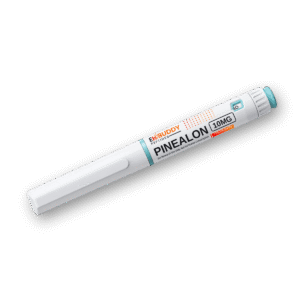
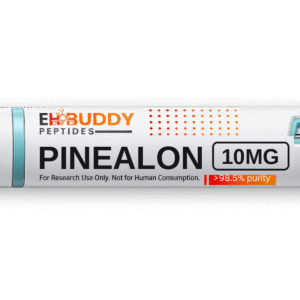
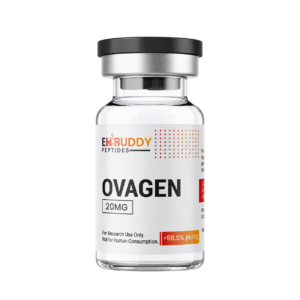
Pinealon (Glu-Asp-Arg) is a synthetic tripeptide derived from the cortex (parenchyma) of the pineal gland — the gland responsible for melatonin secretion and circadian timing. Developed through Professor Vladimir Khavinson’s peptide bioregulator research program, Pinealon has been studied for neuroprotective, cognitive, and retinal protective effects, representing a targeted research tool for pineal gland biology and age-related neurological decline.
Available Formats
- 5mg
- 10mg
- 20mg
Reconstitution: Reconstitute with Bacteriostatic Water (BAC Water) for multi-use stability, or Sterile Water for single-use protocols. Store lyophilized vials at 2–8°C.
Key Research Areas
🧠 Neuroprotection Research
Pinealon demonstrates neuroprotective effects against ischemia, oxidative stress, and excitotoxicity in animal models. Research shows reduced neuronal apoptosis and improved functional outcomes after experimental brain injury in Pinealon-treated subjects.
⚡ Cognitive & Nootropic Effects
Studies document improvements in learning, memory consolidation, and information processing in aged animal models. The mechanism involves upregulation of neural cell adhesion molecules and BDNF-related neuroprotective signalling.
🌙 Pineal Gland & Circadian Research
As a pineal-derived peptide, Pinealon is an essential research tool for studying pineal function, melatonin regulation, and circadian clock synchronization — including age-related circadian disruption and seasonal affective disorder research models.
👁️ Retinal Protection
Pinealon shows cytoprotective effects on retinal neurons and photoreceptors. Research in models of age-related macular degeneration and retinal dystrophy documents Pinealon’s ability to reduce photoreceptor apoptosis and maintain visual function.
Why Choose EhBuddy?
- ✅ Verified Purity — Third-party tested
- ✅ Fast Canadian Shipping — Discreet packaging, shipped from Canada
- ✅ Research-Grade Quality — Strict QC standards
FOR RESEARCH USE ONLY (RUO). Not approved for human or veterinary use. Intended for in vitro and laboratory research only.



Reviews
There are no reviews yet.